



Content Head and Video Creator, FirstLease
How Biophilic Office Design Boosts Focus, Nature and Output?
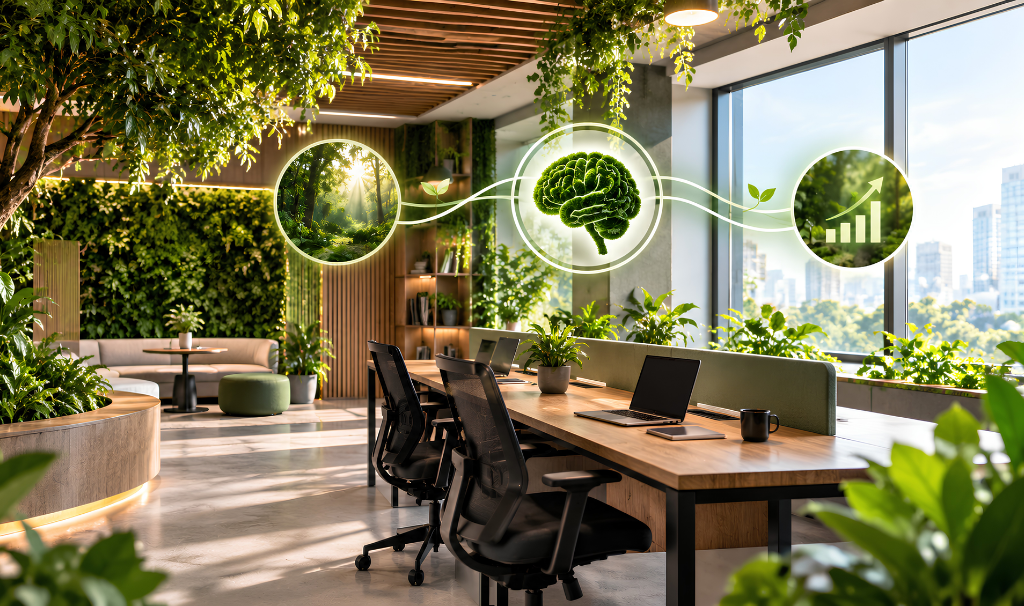
Modern workplaces are evolving beyond traditional desks, meeting rooms and basic office layouts. Today, businesses are increasingly focusing on employee wellbeing, productivity and creating work environments that people actually enjoy being in. One design approach gaining attention is Biophilic Office Design, which brings elements of nature into the workplace to create a more comfortable and engaging environment.
From indoor plants and natural light to outdoor views and natural materials, biophilic design can transform the way employees experience their workplace. When thoughtfully planned, it can support focus, wellbeing, creativity and productivity while making an office feel more connected to the natural environment.
What is Biophilic Office Design?
Biophilic Office Design is a workplace design approach that incorporates natural elements into office interiors and architecture. The concept is based on the idea that people have an inherent connection with nature and can benefit from experiencing natural elements in their daily environments.
A biophilic office may include:
- Natural daylight and large windows
- Indoor plants and greenery
- Views of gardens, trees or outdoor landscapes
- Natural materials such as wood and stone
- Nature-inspired colours, patterns and textures
- Natural ventilation and fresh air
- Outdoor terraces and balconies
- Green breakout and relaxation areas
The goal is not simply to make an office look attractive. Instead, the aim is to create a workplace that feels more comfortable, refreshing and supportive of the people using it.
Why Biophilic Workplace Design Matters?
Employees spend a considerable amount of their day inside workplaces. Offices that are overly enclosed, poorly lit or disconnected from the outdoors can sometimes feel repetitive and mentally tiring.
Biophilic Workplace Design addresses this by introducing nature into different parts of the employee experience. Rather than limiting greenery to reception areas, businesses can incorporate natural elements into workstations, meeting rooms, breakout zones and collaborative spaces.
This approach can also help businesses create a workplace that supports different activities throughout the day. Employees may need quiet areas for concentration, collaborative spaces for teamwork and comfortable zones for taking short breaks.
By integrating natural elements across these spaces, Biophilic Design in the Workplace can become part of a broader strategy for creating a people-focused office.
1. Natural Light Can Support Focus- Natural light is one of the most important elements of a nature-connected workplace. Access to daylight can make office environments feel brighter, more open and visually comfortable.
Large windows, glass partitions and thoughtful workstation positioning can help maximise available daylight. Businesses can also combine natural light with suitable artificial lighting to ensure that work areas remain comfortable throughout the day.
Effective Office Design for Productivity should therefore consider how lighting affects different types of work. Focused work areas, meeting rooms and collaborative spaces may each require different lighting solutions.
When natural light is incorporated effectively, it can also strengthen employees' visual connection with the outdoors.
2. Indoor Greenery Can Transform the Office- Plants are among the simplest ways to introduce nature into an office.
Businesses can use:
- Indoor planters
- Vertical green walls
- Plants around workstations
- Green partitions
- Indoor gardens
- Plants in breakout areas
- Landscaped terraces
Greenery can add visual interest while helping create a softer and more welcoming environment. However, effective Biophilic Office Design is not about placing plants everywhere.
The location, scale and maintenance requirements of greenery should be considered carefully. Plants should enhance the workplace without obstructing movement, reducing usable space or creating unnecessary maintenance issues.
3. Nature Can Create More Restorative Spaces- Workplaces need spaces where employees can step away from intensive tasks for a short period. Breakout areas can play an important role in creating these moments.
Instead of designing a breakout area with only furniture, businesses can introduce plants, natural materials, daylight, outdoor views and comfortable seating.
These elements can help create a more relaxed atmosphere and make breakout areas feel distinct from traditional workstations.
In Biophilic Design in the Workplace, these restorative spaces can be strategically positioned near windows, terraces or landscaped areas whenever the building allows.
4. Better Office Design Can Support Productivity- Productivity is influenced by many factors, including company culture, leadership, technology, workload and employee engagement. Office design alone cannot guarantee higher productivity.
However, the physical environment can support employees by providing spaces that match different working requirements.
A thoughtful Office Design for Productivity may include:
- Quiet zones for focused work
- Collaborative areas for teamwork
- Meeting rooms for discussions
- Informal spaces for quick conversations
- Breakout areas for relaxation
- Flexible workstations
- Nature-connected spaces
When these areas are combined with natural light, greenery and outdoor views, employees can have greater choice in where and how they work.
5. The Benefits of Biophilic Design Go Beyond Aesthetics- One of the common misconceptions about biophilic design is that it simply means adding plants to an office.
The Benefits of Biophilic Design can come from a much broader combination of natural experiences. Daylight, views of nature, natural materials, greenery, ventilation and nature-inspired design can all contribute to creating a more engaging workplace environment.
For example, a meeting room could use natural wood finishes and views of greenery, while a collaborative area could incorporate plants and access to daylight.
The key is to create a balanced environment where natural elements support the purpose of each space.
6. Biophilic Design Can Enhance Employee Experience- A modern office should support more than productivity. It should also provide an environment where employees feel comfortable, connected and motivated to spend their working day.
This is where Biophilic Workplace Design can become an important part of workplace strategy.
Natural textures can make interiors feel warmer, greenery can introduce visual variety and outdoor views can provide a stronger connection with the surrounding environment.
For businesses encouraging employees to return to physical workplaces, these details can become particularly valuable. A thoughtfully designed office can offer experiences that employees may not get from working remotely.
How Businesses can Introduce Biophilic Design?
Businesses do not necessarily need to completely renovate their offices to introduce biophilic principles.
They can begin with practical improvements such as:
- Improve access to daylight: Position desks and shared areas to make better use of available natural light.
- Introduce greenery: Add indoor plants, planters and green walls in appropriate locations.
- Use natural materials: Incorporate wood, stone, natural fabrics and organic textures into interiors and furniture.
- Create nature-connected breakout areas: Use terraces, balconies, courtyards or spaces with outdoor views wherever possible.
- Design flexible work zones: Create different environments for focused work, collaboration, meetings and relaxation.
- Bring nature into visual design: Where direct access to nature is limited, use nature-inspired patterns, textures and artwork.
These improvements can make Biophilic Design in the Workplace a practical part of an overall office strategy rather than simply a decorative trend.
Conclusion: Creating Workplaces Designed Around People
The workplace is becoming more people-focused, and office design is playing an increasingly important role in this transformation. Biophilic Office Design provides businesses with an opportunity to create environments that combine functionality, comfort and a stronger connection with nature.
From natural light and indoor greenery to outdoor views and natural materials, the right combination of elements can help create workplaces that support focus, wellbeing and collaboration.
For businesses planning a new office, relocation or workplace transformation, choosing the right space is only the beginning. The office should also reflect how employees work, collaborate and interact.
FirstLease helps businesses make smarter commercial real estate decisions by understanding their space requirements, workplace needs, location preferences and long-term business goals. By combining the right commercial space with thoughtful Office Design for Productivity and workplace planning, businesses can create offices that are functional, engaging and designed for the future.
Frequently Asked Questions
1. What is Biophilic Office Design?
Biophilic Office Design incorporates natural elements such as plants, natural light, outdoor views, fresh air and natural materials into office spaces to create a healthier and more engaging workplace.
2. What are the benefits of Biophilic Design in the workplace?
The Benefits of Biophilic Design can include improved workplace wellbeing, reduced stress, better visual comfort and a more pleasant environment for employees.
3. How does Biophilic Workplace Design improve productivity?
Biophilic Workplace Design can support productivity by creating comfortable spaces with natural light, greenery, quiet areas and environments designed for different types of work and collaboration.
4. How can businesses use Biophilic Design in the Workplace?
Businesses can introduce Biophilic Design in the Workplace through indoor plants, green walls, natural materials, daylight, outdoor views, landscaped areas and nature-inspired interiors.
5. Does Office Design for Productivity require a complete renovation?
No. Office Design for Productivity can begin with smaller changes such as improving lighting, adding greenery, reorganising work zones and creating comfortable breakout spaces. Larger changes can be introduced as part of future renovations or relocations.