



Content Head and Video Creator, FirstLease
Workplace Design That Works: Trends & Real Benefits
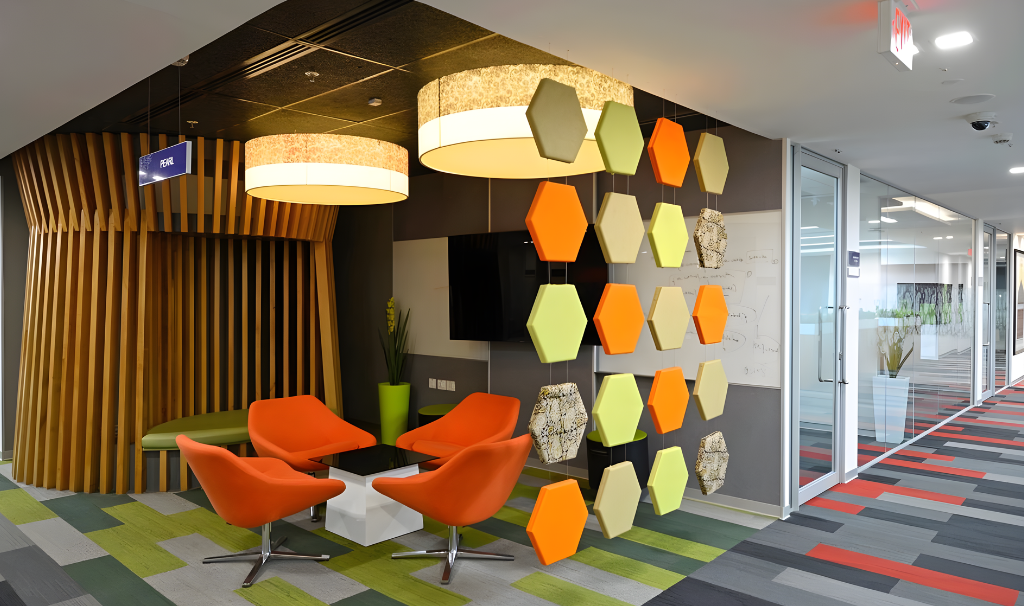
Workplace design is no longer about how impressive an office looks on day one. It is about how well that space supports real work over months and years. Long meetings, short deadlines, hybrid schedules, changing teams, and unpredictable days are the reality of today’s work culture. A well-designed workplace quietly adapts to all of this. A poorly designed one creates daily friction that people feel but struggle to explain.
At its core, workplace design answers a simple question: Does this space make work easier or harder? When planned carefully, it supports focus, movement, comfort, and collaboration without demanding attention. When ignored, it becomes a constant source of stress, noise, and inefficiency.
What Is Workplace Design?
Workplace design is the process of planning, organising, and shaping an office to meet both functional and human needs. It includes layout planning, furniture selection, lighting, acoustics, technology integration, and material choices. But beyond physical elements, it also considers how people move, interact, concentrate, and recharge during the workday.
Good workplace design balances productivity with comfort. It ensures that space supports work without overwhelming the people using it. Instead of forcing employees to adapt to the office, the office adapts to the people.
Modern Trends in Workplace Design:-
Work habits have evolved faster than office layouts. This gap is why workplace design looks very different today. Offices are no longer built around fixed desks or rigid routines. They now respond to how people actually work throughout the day.
1. Flexible Seating Zones
People do not perform the same tasks all day. Flexible seating zones allow employees to choose where they work based on the task at hand. Shared tables, informal seating, and short-stay work points support collaboration and movement. This flexibility helps maintain energy levels and reduces fatigue.
2. Hybrid Work Layouts
With hybrid work becoming standard, many desks remain unused for long hours. Offices are shifting focus from assigned seating to shared spaces that encourage collaboration and interaction. This reflects how future workplaces will operate and is a long-term shift, not a temporary one.
3. Quiet Focus Areas
Open offices encourage interaction, but silence is still essential. Quiet zones give people space to think deeply and work without interruption. These areas help prevent burnout caused by constant noise and visual distractions.
4. Technology-Integrated Spaces
Technology is now built into the workplace rather than added later. Charging points, video conferencing tools, and seamless connectivity ensure meetings start on time and workflows remain uninterrupted. Good design reduces technical friction instead of adding to it.
5. Wellness-Oriented Design
Comfort directly affects performance. Natural light, proper airflow, ergonomic furniture, and indoor plants support physical and mental well-being. Wellness-focused design is no longer optional; it is a practical requirement for sustained productivity.
6. Sustainable Material Choices
Modern offices are built to last. Durable, sustainable materials reduce maintenance costs and environmental impact. A thoughtful material strategy ensures the workplace ages well instead of requiring frequent redesigns.
7. Multi-Use Collaboration Spaces
One space often serves multiple purposes throughout the day. Meeting rooms transform into training areas or discussion zones. This flexibility saves space while maintaining full functionality.
8. Zoned Layouts with Minimal Partitions
Instead of heavy walls, zones are created using furniture placement, lighting variations, and flooring changes. This keeps offices open and airy while still defining functional areas.
9. Scalable Furniture Systems
Teams grow and roles change. Modular furniture adapts to these changes without major disruption. This approach reduces downtime and keeps the workplace relevant over time.
10. Human-Centric Design Approach
Modern workplace design starts with people, not aesthetics. How employees feel, move, and concentrate takes priority over visual statements. This ensures the space remains usable long after the initial launch.
Key Principles and Elements of Workplace Design:-
Effective workplace design is subtle. Movement should feel intuitive. Seating must support long hours without strain. Lighting should reduce eye fatigue. Acoustics should manage noise without isolating teams. Storage should exist without becoming visually distracting.
When these elements align, the workspace feels effortless rather than impressive. Employees may not notice what works, but they immediately feel when something does not.
Benefits of Thoughtful Workplace Design:-
A well-designed workplace offers benefits that go beyond aesthetics:
1.Improved focus and productivity
2.Better physical comfort and posture
3.Faster onboarding for new employees
4.Easier collaboration between teams
5.Reduced workplace fatigue and stress
6.Spaces that reflect company values without excess decoration
These benefits help organisations adapt to changing work models without constant redesigns.
Conclusion:-
Workplace design influences how people experience work every day, often without being noticed. When planned thoughtfully, offices reduce effort, support focus, and improve collaboration in a natural way. The right design choices allow workspaces to adapt as teams grow and work patterns evolve.
At FirstLease, the focus remains on understanding how workplaces function beyond layouts and finishes. By aligning workplace design with real operational needs, organisations can create spaces that stay effective, flexible, and valuable over the long term. Good design is not about trends - it is about building workplaces that continue to work well, year after year.
Frequently Asked Questions
1. What is the main goal of workplace design?
The main goal of workplace design is to make daily work easier and more efficient. A well-designed workplace supports focus, collaboration, comfort, and movement without creating distractions or stress for employees.
2. How does workplace design impact employee productivity?
Good workplace design reduces noise, improves lighting, supports comfortable seating, and creates spaces suited to different tasks. This helps employees concentrate better, feel less fatigue, and work more efficiently throughout the day.
3. Is workplace design important for hybrid work models?
Yes, workplace design is critical for hybrid work. Offices must support collaboration, meetings, and flexible use of space rather than fixed desks. Well-planned layouts ensure space is used effectively even when teams are not present every day.
4. What are the most important elements of effective workplace design?
Key elements include flexible layouts, ergonomic furniture, good lighting, acoustic control, integrated technology, and clear zoning for focus and collaboration. These elements work together to create a balanced and functional workspace.
5. How often should workplace design be updated?
Workplace design should not require frequent redesigns. When planned correctly with scalable layouts and modular furniture, a workplace can adapt to team growth and changing work patterns with minimal changes over time.