



Content Head and Video Creator, FirstLease
Vastu-Perfect vs Functional Offices: What Truly Fuels Business Success?
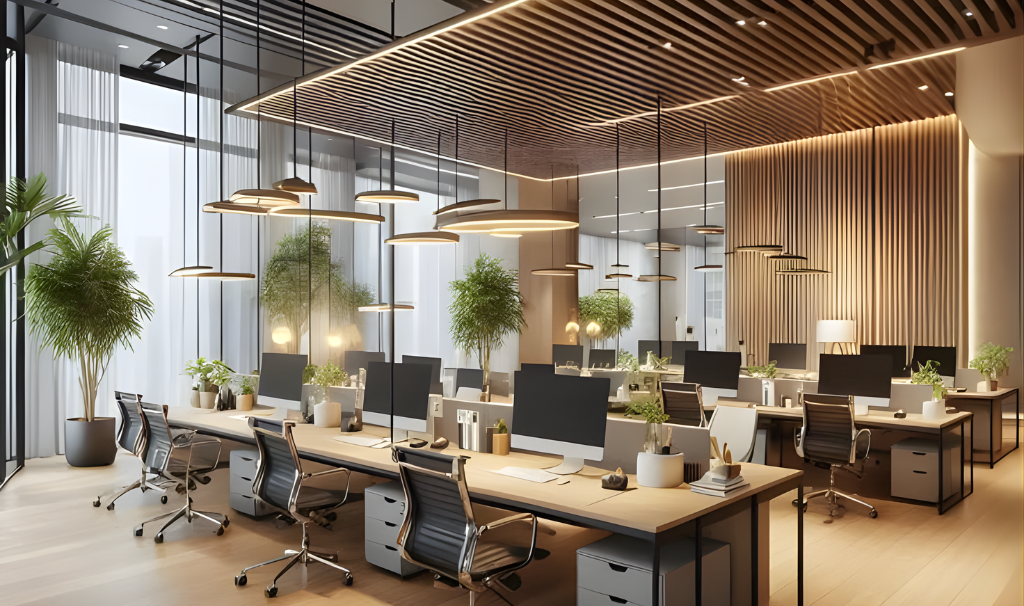
Office design has evolved from being a purely aesthetic decision to a strategic business tool. Today, organizations understand that the way an office is designed directly impacts employee productivity, workplace efficiency, and long-term business success. One of the most debated topics in office planning is Vastu-perfect vs functional offices, as businesses weigh traditional beliefs against data-driven design principles.
Both approaches aim to create better workplaces, but they do so in very different ways. Understanding how Vastu-perfect vs functional offices impact people, processes, and performance is crucial before making a design decision that aligns with modern business goals.
Understanding Vastu-Perfect Office Design:
Vastu office design is based on Vastu Shastra, an ancient Indian architectural science that focuses on balancing natural energies within a space. A Vastu-compliant office design for productivity emphasizes the direction of entrances, workstations, leadership cabins, and meeting rooms to promote harmony, stability, and positive energy.
Supporters of Vastu believe that when an office is aligned with natural elements, it can reduce stress, improve decision-making, and create a positive work atmosphere. Elements such as natural light, ventilation, clutter-free spaces, and directional alignment play a key role in Vastu-based office planning.
From a psychological perspective, Vastu often creates calm, organized environments that help employees feel more settled and focused. However, Vastu alone does not always address modern operational needs such as collaboration, technology integration, or flexible work models.
What Defines a Functional Office Design?
A functional office design focuses on how people actually work. It prioritizes workflow, ergonomics, collaboration, and efficiency. A functional office layout for employee efficiency is designed after studying team structures, work patterns, and business objectives.
Key features of functional office spaces include ergonomic furniture, optimized workstation layouts, collaboration zones, meeting pods, breakout areas, and wellness spaces. These offices are designed to support modern office design for workplace productivity and are often backed by research, workplace analytics, and employee feedback.
Functional design directly impacts office productivity, reduces wasted time, and improves communication between teams. It also allows businesses to adapt to changing needs such as growth, hybrid work, or technology upgrades.
Vastu vs Functional Offices: The Real Difference:
The main difference between Vastu-perfect offices and functional office layouts lies in intent. Vastu focuses on harmony and energy alignment, while functional design focuses on measurable outcomes such as efficiency, collaboration, and performance.
A Vastu-compliant office may enhance emotional comfort and positivity, while a functional office space design for business success ensures smooth workflows and operational clarity. One approach is belief-driven, and the other is data-driven.
However, businesses no longer need to choose one over the other.
The Rise of Hybrid Office Design:
The most successful workplaces today follow a hybrid office space design for modern workplaces, combining Vastu principles with functional planning. This approach ensures that offices feel balanced and positive while also being practical and performance-oriented.
For example, leadership cabins can follow Vastu alignment while being equipped with soundproofing and technology. Workstations can face favorable directions while remaining ergonomic and collaboration friendly. Natural light, a key Vastu element, can be integrated into open layouts that encourage teamwork.
This blend supports employee well-being, improves workplace productivity and efficiency, and aligns office design with business goals.
Why Office Design Impacts Business Success?
Office design is closely linked to how employees perform and how businesses grow. A poorly designed workspace can lead to stress, inefficiency, and disengagement, while a well-planned office becomes a competitive advantage.
A corporate office layout for business success improves focus, encourages collaboration, and supports faster decision-making. Ergonomic setups reduce health issues, while thoughtful layouts improve communication. When employees feel comfortable and supported, productivity increases naturally.
Designing offices with a balance of Vastu and functionality also helps build a strong company culture. Employees feel valued when spaces are designed around their needs, which improves retention and engagement.
Key Factors to Consider When Designing an Office:
When planning an office, businesses should evaluate company culture, employee expectations, nature of work, and future scalability. Traditional organizations may value Vastu-compliant office planning, while fast-growing companies may prioritize optimized workspace layout to boost collaboration.
Employee feedback plays a critical role in creating employee-centric office design for better performance. Offices should also be adaptable to accommodate growth, new teams, or hybrid work models.
Ultimately, the goal is to design a space that supports both people and performance.
Conclusion:
The debate between Vastu-perfect office design and functional office design is not about choosing one over the other. True business success comes from understanding how both approaches contribute to a healthy, productive workplace.
Vastu brings balance, positivity, and mental comfort. Functional design brings efficiency, flexibility, and measurable results. When combined thoughtfully, they create workspaces that support employee well-being, improve office productivity, and drive long-term business growth.
At FirstLease, we believe that office design should be purposeful, people-focused, and performance-driven. Whether it’s a Vastu-aligned workspace, a functional office layout, or a hybrid design, the right office environment can truly fuel business success.
Frequently Asked Questions
1. What is a Vastu-compliant office design for productivity?
It is an office layout designed using Vastu principles to create harmony, positive energy, and a balanced work environment.
2. How does functional office design improve employee efficiency?
Functional office design improves efficiency by optimizing workflows, ergonomics, collaboration spaces, and technology integration.
3. Can Vastu and functional office design be combined?
Yes, a hybrid office design blends Vastu principles with functional layouts to support both well-being and performance.
4. Which office design is better for modern businesses?
A hybrid approach using functional planning with selective Vastu alignment works best for modern workplaces.
5. Why is office layout important for business success?
A well-designed office enhances productivity, collaboration, employee satisfaction, and overall business performance.