



Content Head and Video Creator, FirstLease
The Secret Power of Renovating Offices Every 5 Years
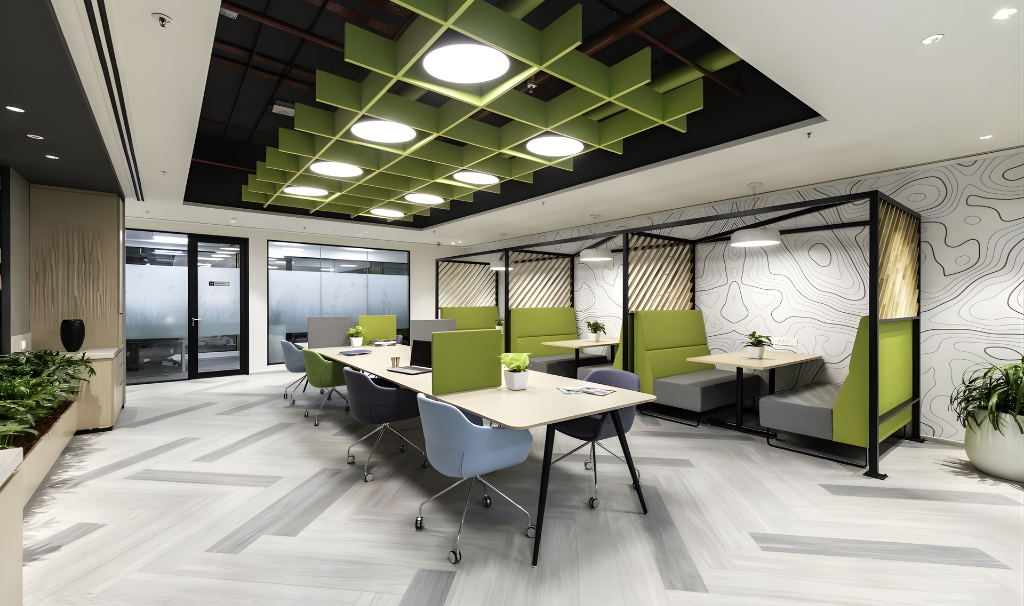
In today’s fast-changing business world, office spaces are no longer static assets. They are living environments that directly influence productivity, brand perception, employee well-being, and even business growth. One powerful yet often overlooked strategy is renovating office spaces every five years. While many companies wait until their workspace feels outdated or inefficient, proactive renovation can unlock long-term value in ways most businesses don’t realize.
Why the 5-Year Renovation Cycle Matters?
Technology, work culture, and employee expectations evolve rapidly. What felt modern five years ago may now feel restrictive, inefficient, or uninspiring. A five-year renovation cycle helps businesses stay aligned with current workplace trends without waiting for major issues to arise.
Office renovation is not just about aesthetics - it’s about functionality, adaptability, and future readiness.
Key reasons why five years is the sweet spot:
1.Office furniture and interiors typically show visible wear within this period
2.Business teams grow, restructure, or shift to hybrid models
3.Technology upgrades demand smarter layouts
4.Employee expectations around comfort and wellness increase
Boosting Employee Productivity and Morale:
A well-designed office can significantly impact how employees feel and perform at work. Renovating your office every five years allows you to redesign spaces based on actual usage patterns rather than assumptions.
Modern office layouts focus on:
1.Ergonomic workstations
2.Collaborative zones
3.Quiet focus areas
4.Breakout and wellness spaces
Upgrading to ergonomic office furniture, such as thoughtfully designed workstations from brands like Linea Morph, can reduce physical strain, improve posture, and enhance day-to-day comfort. When employees feel comfortable, they naturally become more engaged and productive.
Supporting Hybrid and Flexible Work Models:
The rise of hybrid work has changed how offices function. Many traditional layouts no longer make sense. Renovation offers an opportunity to:
1.Reduce unused desk space
2.Introduce flexible seating
3.Create meeting rooms equipped for virtual collaboration
4.Design multipurpose areas
By rethinking layouts every five years, companies ensure their office space remains relevant, efficient, and cost-effective rather than oversized or underutilized.
Strengthening Brand Image and Client Perception:
Your office is a physical reflection of your brand. Outdated interiors can send unintended signals to clients, partners, and even prospective employees.
A renovated office communicates:
1.Professionalism
2.Growth mindset
3.Attention to detail
4.Commitment to quality
Modern materials, clean layouts, and premium office furniture solutions such as modular systems offered by FirstLease - help create a workspace that aligns with a forward-thinking brand identity.
Improving Space Utilization and Cost Efficiency:
Renovation is often seen as an expense, but in reality, it can be a smart financial decision. Over time, inefficient layouts lead to wasted square footage and higher operating costs.
A strategic office renovation can:
1.Optimize floor plans
2.Reduce energy consumption through better lighting and airflow
3.Lower maintenance costs by replacing aging furniture
4.Extend the life cycle of the workspace
Reconfigurable office furniture systems allow businesses to adapt layouts without constant replacements, making long-term space planning more economical.
Enhancing Employee Well-Being and Retention:
Employee expectations have shifted dramatically in recent years. Offices are now expected to support mental health, comfort, and work-life balance.
Renovating every five years allows businesses to integrate:
1.Natural light optimization
2.Better acoustics
3.Comfortable breakout zones
4.Ergonomic seating and desks
These changes contribute directly to employee satisfaction and retention. A workspace designed with people in mind reduces burnout and helps teams feel valued.
Staying Ahead of Workplace Design Trends:
Workplace design trends evolve quickly. What was once considered modern - such as rigid cubicles - has been replaced by agile, human-centric environments.
Five-year renovation cycles help organizations stay current with:
1.Activity-based working
2.Biophilic design elements
3.Minimalist, clutter-free layouts
4.Modular office furniture solutions
Brands like FirstLease focus on adaptable furniture systems that support these trends while maintaining durability and design consistency.
Supporting Business Growth and Scalability:
Businesses rarely remain the same for over five years. Teams expand, departments change, and operational needs shift. Renovation provides the opportunity to redesign spaces that can scale with growth.
Instead of reacting to space shortages or inefficiencies, proactive renovation ensures:
1.Flexible layouts
2.Future-ready infrastructure
3.Seamless team expansion
This approach prevents frequent disruptions and supports long-term operational planning.
Sustainability and Responsible Design:
Sustainability is no longer optional. Renovating at planned intervals allows businesses to adopt eco-conscious practices gradually rather than through sudden, costly overhauls.
Sustainable office renovation may include:
1.Energy-efficient lighting
2.Durable, long-life furniture
3.Modular designs that reduce waste
4.Responsible material choices
Choosing quality furniture solutions - like those designed by FirstLease - supports sustainability by minimizing frequent replacements and encouraging responsible consumption.
Renovation as a Strategic Business Tool:
Office renovation should not be treated as a one-time cosmetic update. When planned every five years, it becomes a strategic tool that aligns workspace design with business goals.
A structured renovation cycle helps organizations:
1.Stay competitive
2.Attract top talent
3.Improve operational efficiency
4.Reinforce brand positioning
Rather than reacting to outdated spaces, businesses that plan gain a consistent advantage.
Conclusion:
The secret power of renovating offices every five years lies in its ability to keep businesses agile, employees engaged, and workspaces future-ready. It’s not about chasing trends - it’s about intentional evolution.
By investing in thoughtful design, ergonomic solutions, and adaptable furniture systems from brands like FirstLease, organizations can create office environments that grow with them, support their people, and reflect their vision.
In the long run, a well-planned renovation cycle isn’t an expense - it’s a competitive edge.
Frequently Asked Questions
1. Why should offices be renovated every five years?
A five-year renovation cycle helps businesses stay aligned with changing work patterns, technology needs, and employee expectations. It allows organizations to update layouts, furniture, and infrastructure before inefficiencies or discomfort start affecting productivity and morale.
2. Is office renovation every five years expensive for businesses?
When planned strategically, office renovation is a cost-efficient investment rather than an expense. Regular updates help avoid major overhauls, reduce maintenance costs, improve space utilization, and extend the overall life of the workplace.
3. How does office renovation support hybrid and flexible work?
Renovation enables businesses to redesign spaces for hybrid work by reducing unused desks, adding flexible seating, and creating meeting rooms equipped for virtual collaboration. This ensures the office remains functional and relevant as work models evolve.
4. Can office renovation improve employee retention and well-being?
Yes, thoughtful renovation improves comfort, ergonomics, acoustics, and access to natural light. These factors directly influence employee well-being, reduce burnout, and contribute to higher engagement and long-term retention.
5. What role does modular office furniture play in long-term renovation planning?
Modular office furniture allows businesses to adapt layouts easily as teams grow or change. It supports scalability, sustainability, and cost efficiency by reducing the need for frequent replacements during future renovations.