



Content Head and Video Creator, FirstLease
High-Street vs Mall Retail Space: Which is Better?
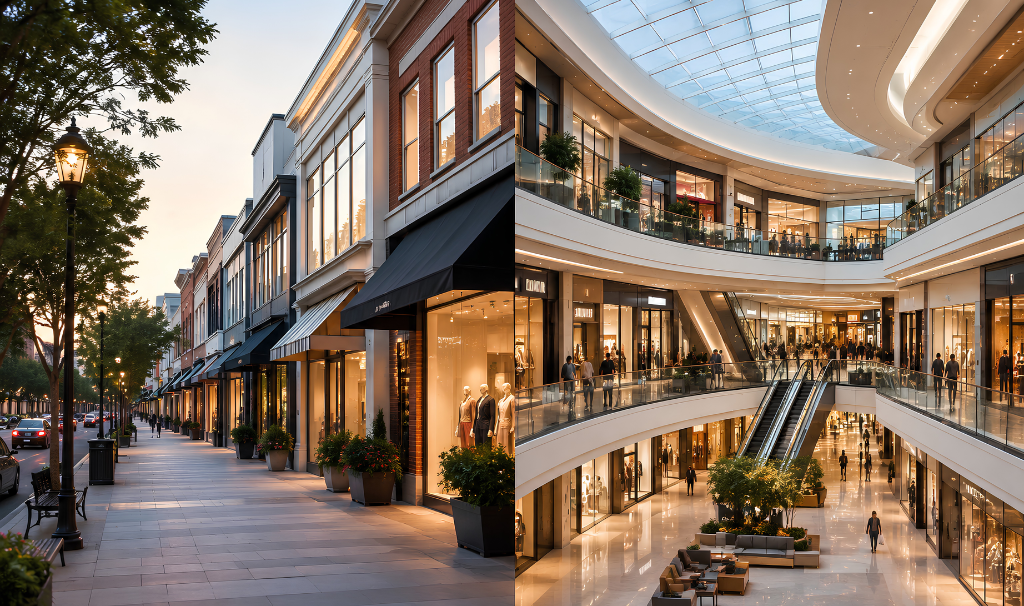
Choosing the right retail location is one of the most important decisions for any retail business. The location influences customer footfall, brand visibility, operating costs, accessibility, and long-term growth. Two of the most popular options are high street retail space and mall retail space.
But which one is better? The answer depends on your business model, target customers, budget, and growth strategy. This guide compares high street vs mall retail to help businesses make an informed decision when choosing retail space for lease or retail space for rent.
What is High-Street Retail Space?
High street retail space refers to shops located on prominent commercial roads or established shopping streets. These locations generally benefit from strong pedestrian and vehicle movement and are often surrounded by restaurants, offices, residential developments, and other retail stores.
High streets can provide businesses with excellent visibility and direct street access. They are particularly suitable for fashion brands, restaurants, cafés, salons, convenience stores, lifestyle brands, and other businesses that depend on local customers and walk-in traffic.
What is Mall Retail Space?
Mall retail space refers to commercial units located inside shopping malls or large retail centres. Malls bring multiple brands, entertainment, food, and leisure activities together under one roof.
Mall stores can benefit from organized customer footfall, professional security, parking facilities, air-conditioned environments, and established infrastructure. They can be especially attractive to brands looking for a premium retail environment and access to a diverse customer base.
High Street vs Mall Retail: Key Differences
When comparing high street retail space vs shopping mall locations, businesses should consider several factors.
1. Customer Footfall:- High streets often attract a combination of planned shoppers, local residents, office workers, and passers-by. Footfall can vary depending on the location, time of day, weather, and surrounding development.
Malls generally offer more structured and predictable footfall because customers visit for shopping, dining, entertainment, and leisure.
2. Visibility and Brand Exposure:- A high street can provide excellent street-level visibility. Businesses may have prominent storefronts, signage, and direct access from the road.
Mall retail space can provide strong brand exposure through the mall's overall customer traffic, events, promotions, and tenant mix. However, visibility can depend on the store's location within the mall.
3. Cost Considerations:- The cost of retail space leasing varies significantly by location, size, building quality, and demand.
High street locations may offer greater flexibility in terms of property size and commercial terms. However, prime high streets can command very high rents.
Mall retail spaces may involve rent along with additional charges such as maintenance, common-area expenses, marketing contributions, and other operational costs. Businesses should evaluate the complete occupancy cost before making a decision.
4. Accessibility and Parking:- High street locations can offer easy road access and strong connectivity, but parking availability may differ from one location to another.
Malls typically provide dedicated parking and organized access, which can be a significant advantage for customers visiting for longer shopping trips.
5. Brand Positioning:- A premium high street can strengthen a brand's visibility and create a strong street presence.
Malls can offer a controlled and premium environment where brands operate alongside complementary businesses. The surrounding tenant mix can also influence customer perception and brand positioning.
Advantages of High Street Retail Space
Some major benefits include:
- Strong street visibility
- Direct customer access
- Flexible store formats
- Potentially diverse customer traffic
- Proximity to residential and office areas
- Strong local market presence
- Suitable for destination and convenience retail
High streets can be particularly attractive when a business wants to establish a strong presence in a specific neighbourhood or commercial district.
Advantages of Mall Retail Space
Mall locations can provide:
- Organized customer footfall
- Dedicated parking
- Security and facility management
- Established retail infrastructure
- Entertainment and dining attractions
- Opportunities for premium brand positioning
- Exposure to multiple customer segments
For brands that depend heavily on shopping-oriented consumers, a mall can offer an attractive retail environment.
How to Choose Retail Space for a Business?
Understanding how to choose retail space for a business requires more than comparing rent. Businesses should evaluate:
- Target audience: Where do your customers live, work, and shop?
- Footfall: Study pedestrian traffic, vehicle movement, and customer patterns.
- Accessibility: Consider public transport, road connectivity, parking, and visibility.
- Competition: Nearby competitors can either create competition or strengthen a retail cluster.
- Total cost: Consider rent, maintenance, fit-out costs, utilities, taxes, and other charges.
- Store requirements: Evaluate floor area, frontage, ceiling height, loading access, signage, and other infrastructure requirements.
- Future growth: Consider whether the location can support your business as it expands.
Which Is Better: High Street or Mall Retail?
There is no universal answer to whether high-street or mall retail is better - the right choice depends on the business, brand positioning, and target customer.
A high street may be better for businesses that prioritize visibility, local accessibility, street presence, and flexibility.
A mall may be better for brands seeking organized footfall, parking, premium infrastructure, and a shopping-focused customer environment.
At FirstLease India, we help brands evaluate and identify the right retail location by comparing factors such as customer profile, expected sales, occupancy costs, accessibility, competition, and long-term business objectives.
Ultimately, the best retail strategy is about choosing the right location for the right brand.
Frequently Asked Questions
1. What is the difference between high street and mall retail?
High street retail is located along major commercial roads and shopping streets, while mall retail operates within organized shopping centres. High streets offer direct visibility and accessibility, while malls provide structured footfall and shared facilities.
2. Is high street retail space better than mall retail space?
It depends on the business. High streets may be better for visibility and local customer access, while malls can be better for organized footfall, parking, and premium brand positioning.
3. What are the advantages of high street retail space?
Key advantages include strong storefront visibility, direct customer access, local market presence, flexible formats, and proximity to residential or office areas.
4. What should I consider when leasing retail space?
Businesses should consider location, footfall, customer demographics, accessibility, parking, visibility, competition, rent, maintenance costs, infrastructure, and future growth potential.
5. How can businesses choose the right retail space?
Businesses should compare properties based on their target audience, budget, location, expected footfall, accessibility, store requirements, commercial terms, and long-term business objectives. FirstLease can help businesses evaluate suitable retail space for lease based on these requirements.